
A new release can pull in thousands of streams and still leave you wondering who is actually paying attention. Some listeners saved the song. Some watched the video twice. Some bought a shirt three months ago. Others only followed because a friend shared one clip. Treating all of them the same is where momentum gets lost. Fan segmentation for musicians gives you a clearer way to turn attention into real support.
The goal is not to make your marketing complicated. It is to stop sending every fan the same message, at the same time, with the same ask. When you know who is most likely to stream, buy, attend, share, or become a true day-one supporter, your promotion gets more personal and your budget works harder.
What fan segmentation actually means
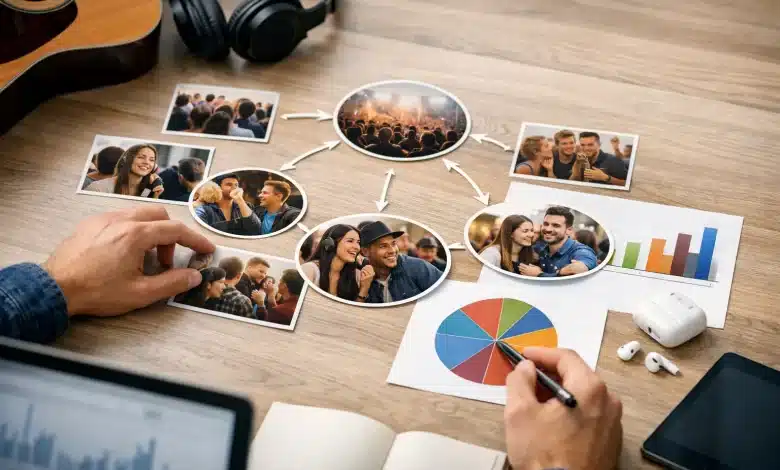
Fan segmentation is the practice of organizing your audience into smaller groups based on what they do, what they care about, and where they are in their relationship with your music. Instead of seeing your audience as one follower count, you see distinct communities with different needs.
A listener who found you through a viral Instagram Reel should not always get the same message as a fan who has opened five emails, attended a show, and owns your merch. The first person may need an easy reason to hear more music. The second may be ready for early access, a ticket link, or a limited drop.
For independent artists, this matters because resources are limited. You may not have a label team behind every release. You need each email blast, text campaign, ad dollar, and social post to create movement. Segmentation helps you put the right offer in front of the right people instead of hoping one broad message lands with everybody.
Start with the fan data you already have
You do not need expensive software or a massive mailing list to begin. Most artists already have useful signals sitting across their platforms. Look at email signups, text subscribers, merch orders, ticket purchases, social comments, link clicks, streaming behavior, and direct messages.
The key is to collect information with a purpose. If someone signs up for your list at a show, ask for their city or ZIP code. If you run a giveaway, consider asking which song or project introduced them to your music. If you sell merch, keep a record of what they bought and when.
Do not overdo it. A long form can kill signups. Name, email, and location are enough to create a useful foundation. You can learn the rest through their actions over time.
Track behavior, not just demographics
Age, gender, and location can help, especially for tour planning and local events. But behavior usually tells you more about buying intent. A fan who clicks your pre-save link is showing a different level of interest than someone who likes a meme post. Both matter, but they should not automatically receive the same campaign.
Pay attention to signals such as repeat email opens, music link clicks, video views, purchases, show attendance, replies, and shares. These actions reveal who is moving closer to your career, not just who saw your content once.
The four segments most artists should build first
You can eventually create detailed groups, but starting simple is smarter. Build segments you can actually use. For most artists, these four will immediately improve release marketing.
1. New listeners
These are people who recently found your music through a playlist, short-form video, blog feature, paid promotion, or a friend. They may follow you, but they do not know your story yet. Their first message should be low-pressure and welcoming.
Send them your strongest song, a short artist introduction, or a video that shows your personality. Do not hit them with a merch sale on day one. New listeners need a reason to care before they need a reason to buy.
2. Engaged fans
Engaged fans are opening emails, responding to texts, commenting consistently, watching your content, and clicking your links. They may not have spent money yet, but they are paying attention. This group is ideal for pre-saves, music video premieres, behind-the-scenes content, and questions that invite a response.
Make them feel included in the process. Let them vote on a cover concept, share a snippet before the public release, or ask which city you should visit next. Engagement grows when fans feel like participants instead of spectators.
3. Buyers and show supporters
Anyone who purchased merch, bought a ticket, joined a paid community, or contributed financially belongs in a higher-intent group. These fans have already proven they are willing to support your work. Thank them differently.
Give buyers first access to new merch, a private discount, early ticket announcements, or an exclusive version of a song. The offer does not have to be expensive or complicated. The point is recognition. When people feel appreciated after spending money, they are more likely to come back.
4. Local fans
Location-based segments are essential if you perform live. A fan in Atlanta does not need repeated reminders about a Los Angeles show, and a listener in Chicago should not hear about a local pop-up after it has already happened.
Organize people by city, state, or region whenever possible. Before a show, send local fans a message that feels direct: you are coming to their city, the room is limited, and you want to see them there. That is more effective than posting one generic flyer and praying the algorithm delivers it.
Match the message to the moment
Segmentation works when it changes what you say. If every group receives the exact same message, you have only created extra admin work.
For a release campaign, new listeners may receive a simple introduction to the single and a visual clip. Engaged fans can get the pre-save campaign and a personal note about why you made the record. Buyers might receive a first look at a bundle or an invite to a private release listening session. Local fans should get tour or event information based on where they live.
Your timing should change, too. A highly engaged fan may appreciate a text the morning tickets go live. A less active subscriber may respond better to a reintroduction email a week later. Text is powerful, but use it carefully. Reserve it for time-sensitive, high-value updates so fans do not feel like they joined another spam list.
Build a simple release flow
A strong campaign does not require sending more messages. It requires sending intentional ones. Start building segments before release week, not after the song is out.
Two to three weeks before a release, invite your audience to join your email or text list with a clear reason. Offer an early snippet, first access to the visual, or a chance to hear the song before everyone else. As people sign up and interact, tag them by location and engagement level.
During release week, give each segment one clear next step. Ask new listeners to stream and follow. Ask engaged fans to save and share. Invite buyers to check out a limited item or exclusive experience. Let local fans know where they can see you in person.
After the release, do not vanish. This is where many artists leave valuable attention on the table. Follow up with fans who clicked but did not buy, watched the video but did not join your list, or showed strong interest in a specific city. The post-release window is often where casual attention becomes a relationship.
Avoid the common segmentation mistakes
The biggest mistake is creating too many tiny groups before you have enough data to use them. You do not need 20 segments for a list of 300 people. Start with new, engaged, buyer, and local groups. Add detail only when it will change your campaign.
Another mistake is assuming every fan wants to spend money immediately. A new listener may love your song but need months of consistent content before buying a ticket. Pushing too hard too soon can turn curiosity into silence. Build trust first, then make the offer.
Finally, keep your data clean. Remove inactive contacts when appropriate, make it easy for people to unsubscribe, and only text fans who clearly opted in. A smaller audience that wants to hear from you is more valuable than a large list that ignores every message.
Make your promotion feel personal at scale
You cannot personally DM every listener forever, especially as your audience grows. But you can make your marketing feel more human by recognizing where fans are in the journey. That is the real power of fan segmentation for musicians.
Use your next campaign as a test. Separate new subscribers from past buyers. Send local supporters a city-specific show message. Give your most engaged fans a reason to feel early, close, and valued. Services such as TuneBlast can help create visibility, but the fan experience after that first discovery is what turns exposure into career momentum.
The fans who stay with you are rarely won by one big post. They are earned through relevant messages, consistent music, and small moments that make people feel like they are part of what you are building.
Ready to Promote Your Next Release?
If you're serious about getting your music in front of real listeners, we can help.