
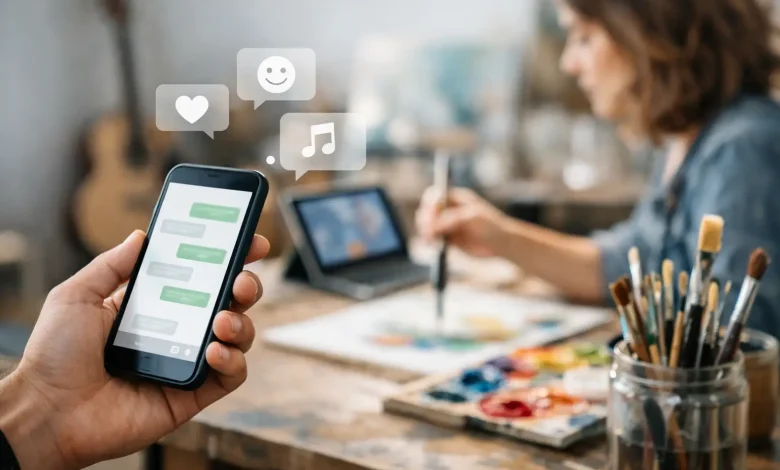
A fan might ignore your post, miss your email, and never see your story. But when their phone lights up with a text from you, that moment feels personal. That is why text message marketing for artists has become one of the smartest ways to turn casual listeners into active fans.
For independent artists, attention is expensive and unpredictable. Social reach drops, algorithms change, and even strong content can get buried. Text gives you something better – direct access. Used well, it can help you move merch, boost streams, fill rooms, and keep your audience warm between releases without sounding like a spam machine.
Why text message marketing for artists hits differently
Text works because it meets fans where they already are. People check their phones constantly, and SMS still gets seen faster than most other channels. That does not mean every text will drive a sale, but it does mean your message has a better chance of actually being noticed.
For artists, that matters most around time-sensitive moments. A new single drops at midnight. Tickets go live at noon. A music video premieres in an hour. A text can create urgency in a way that social posts often cannot. It is short, immediate, and built for action.
There is also a trust factor. Fans do not hand over their phone number casually. If they join your text list, they are signaling real interest. That list is usually smaller than your follower count, but the people on it are often more valuable because they are closer to buying, sharing, and showing up.
The trade-off is obvious. Text is intimate, so bad texting feels more annoying than bad posting. If you overdo it, fans will leave fast. That is why strategy matters more than volume.
What artists should actually use SMS for
The best text campaigns are not random announcements. They support a clear goal and give fans a reason to care right now.
New music is the most obvious use case. A short text on release day can push your core supporters to stream in those important first hours. If you are trying to build traction around a single, that early response can help create momentum instead of waiting for social media to catch up.
Shows are another strong fit. If you have a local fan base in Atlanta, Chicago, Houston, or LA, texting those listeners before ticket drops or on the week of the event can drive real turnout. This is especially useful for artists who perform often and need a reliable way to activate their audience without paying for ads every time.
SMS also works well for merch, limited drops, presaves, fan club offers, and exclusive content. The common thread is urgency or exclusivity. A text saying your hoodie is available now makes sense. A text asking fans to watch your latest post usually does not.
If you want to keep fans engaged between major moments, use texts for behind-the-scenes updates sparingly. A quick note about being in the studio or previewing a snippet can build connection, but only if it feels genuine. The second it starts reading like generic promo copy, the value drops.
Building a list without looking desperate
A text list is only useful if the right people join it. Buying numbers is a waste. Scraping contacts is worse. You want permission-based growth from fans who actually want updates.
Start by giving people a reason to opt in. Early access is strong. Exclusive snippets work. Discounts on merch can work too, especially if you already have some purchase behavior from your audience. The key is making the benefit clear. “Join my text list” is weak. “Text me for early access to tickets” is much better.
Promote the list where attention already exists. Mention it in your Instagram bio, story highlights, YouTube descriptions, show flyers, and live performances. If you are on stage, telling people to join for unreleased music or surprise drops can convert better than a generic follow request.
This is where artist-focused promotion can support the bigger system. If you are already pushing your music through channels that bring in new listeners, adding a text opt-in path helps you capture some of that attention instead of renting it for a moment and losing it. Growth gets stronger when discovery and retention work together.
Keep your signup simple. Too many fields kill conversions. Usually a phone number and basic consent are enough to get started. You can learn more about your fans later.
How often should artists text fans?
Less than you think.
Most artists do better with one to four texts per month than with daily updates. That range keeps your name in front of fans without burning trust. The exact number depends on your release pace, touring schedule, and audience relationship. A heavily active artist with weekly content can text more often than someone who drops once every quarter.
The better question is whether each message earns its place. If the text creates access, urgency, or value, send it. If it is just filling space, hold it.
You should also pay attention to timing. Late-night blasts can annoy people unless your audience expects them because of a midnight release. Midday and early evening often work well for announcements, while day-of-show reminders are strongest when they arrive early enough for fans to act.
Writing texts that sound like you
This is where a lot of artists lose the plot. They build a list, then start texting like a corporation.
Good artist texts feel direct and human. They sound like a real update, not a newsletter squeezed into 160 characters. Keep it short, make the action clear, and avoid trying to say everything at once.
A release text might say:
“My new single is out now. Been waiting to share this one with you. Run it up and tell me your favorite line.”
A show text might say:
“Chicago – tickets for Friday are live. Small room, big energy. Grab yours before they are gone.”
Both work because they feel specific. They have a purpose. They also leave room for personality. If your brand is funny, lean into that. If your music is intense or reflective, let that tone show up too. Fans joined for you, not for polished marketing language.
One more thing: do not stack three links, five emojis, and a paragraph of filler into every message. One clear action is enough.
Segment your audience before your list gets messy
Not every fan should get every text. If someone signed up at a Dallas show, they do not need updates about a New York pop-up. If one group buys merch and another mostly streams music, those audiences may respond to different messages.
Even basic segmentation helps. Split by city when possible. Split by behavior if your platform allows it. Separate superfans from brand-new signups. The more relevant your text, the better your results and the lower your unsubscribe rate.
This matters even more as your career grows. A small list can survive broad messaging. A larger one needs structure. Otherwise, your best fans start tuning you out because too many texts do not apply to them.
What to watch besides open rates
SMS gets attention, but attention alone is not the goal. Artists should track what happens after the text.
Clicks matter because they show immediate interest. Conversions matter more. Did fans buy tickets, stream the track, preorder the merch, or sign up for something else? If you can connect a text to revenue or fan action, you can make smarter decisions about what to send next.
Replies are valuable too. If fans answer your message, that is a strong sign of connection. It can also teach you what kind of content they want. Sometimes the best-performing text is not the most polished one. It is the one that feels most real.
If performance drops, do not panic. Look at the offer, timing, and audience fit before blaming the channel. Sometimes SMS is not the issue – the message just was not compelling enough.
Where SMS fits in your full marketing plan
Texting should not replace everything else. It should strengthen everything else.
Think of social media as discovery, email as depth, and SMS as action. Social helps new people find you. Email gives more room to tell your story. Text drives fast response when timing matters. When those channels work together, you are not depending on one platform to carry your whole release.
That is especially important for independent artists building without major-label infrastructure. You need assets you control. A text list is one of them. It gives you a direct line to fans that cannot be throttled by an algorithm or lost in a crowded feed.
If you are serious about growth, treat your text list like part of your catalog strategy, not an afterthought. Build it steadily. Protect it. Use it when the moment matters. Platforms like TuneBlast can help artists create that momentum by pairing promotion with audience-building, but the long-term win still comes from owning the fan relationship.
The artists who win with SMS are not the ones who text the most. They are the ones who make every message feel worth opening.
Ready to Promote Your Next Release?
If you're serious about getting your music in front of real listeners, we can help.