
A DJ hearing your record before the public can be a powerful moment. If the song fits their sound, they may test it in a set, send it to their crew, or become one of the first people helping build a real conversation around the release. But when you pitch unreleased songs to DJs, you are asking for trust, attention, and discretion – not just a play.
The artists who get strong DJ support do not blast a private link to hundreds of strangers and hope for a miracle. They make the record easy to understand, send it to people who can genuinely use it, and follow up like professionals. Here is how to make your unreleased music feel like an opportunity DJs want to be part of.
Start with DJs who can actually break your record
A big-name DJ is not automatically the best first target. A local open-format DJ with a packed Friday residency may have more immediate influence on your audience than a national name who receives hundreds of submissions every week. The right DJ depends on the song, the scene, and what you want to happen before release day.
Study where your record belongs. A high-energy hip-hop track may work best with club DJs, mixshow DJs, party curators, and DJs who post crowd-reaction clips. An afrobeats record might need DJs who already move that sound at cultural events and community parties. A melodic R&B release may land better with radio mixers, tastemaker DJs, and hosts with late-night audiences.
Do not pitch based on follower count alone. Listen to recent mixes, watch set clips, and notice the songs they return to. If your record does not fit their room, forcing the pitch wastes both of your time. A focused list of 15 to 30 well-matched DJs can outperform a generic list of 300.
Get the song ready before you send it
Unreleased does not mean unfinished. DJs need a release that is ready for real-world playback, especially if they might test it in a club, at an event, or during a mix. Send a final master, not a version you expect to replace next week.
Your audio package should be organized and clearly labeled. At minimum, have the clean version and explicit version if your genre calls for both. If the arrangement supports it, an instrumental and performance-ready intro version can make the song more useful to working DJs. Include high-quality MP3s and WAV files when requested, with consistent file names that show the artist, song title, and version.
Check the basics before the record leaves your hands: the metadata should be accurate, the intro should not bury the energy for too long, and the mix should hold up at high volume. A DJ is not your mastering engineer. If the low end falls apart in a loud room, the record may never get a second chance.
Build a pitch that gives context fast
DJs are busy. Your pitch should help them decide within seconds whether the record has a place in their set. Lead with the essentials: who you are, what the song is, when it is coming out, and why you are sending it specifically to them.
Keep your message brief, personal, and useful. Mention a mix, party series, radio show, or sound they are known for only when it is real. Empty compliments are easy to spot. A better approach is: “I heard how you have been working high-energy Midwest rap into your sets. I have an unreleased record that may fit that pocket.”
Then give them one clear call to action. Ask them to listen, consider testing it, or reply if they want additional versions. Do not make the DJ search through a long email, vague social message, or folder full of unrelated tracks. One song, one private listening link or direct download, and a short note will usually get farther than a press release-sized pitch.
Include the details DJs need
Your message should make the record easy to program. State the genre or lane, whether it is clean or explicit, the planned release date, and any useful production details such as BPM if relevant. If there is a strong local angle, a viral snippet, a notable feature, or an upcoming video, mention it in one sentence.
Be honest about what you are building. “This has already been supported by 20 DJs” means little if the support is not real. It is stronger to say, “We are rolling this out to select DJs first and want genuine floor feedback before the public release.” That feels intentional and gives them a reason to participate early.
Protect the record without making access difficult
Every unreleased song carries some risk. A private link can be shared, ripped, or played before you planned. Still, making the song impossible to access can kill the opportunity. DJs need a format they can preview and, if approved, use.
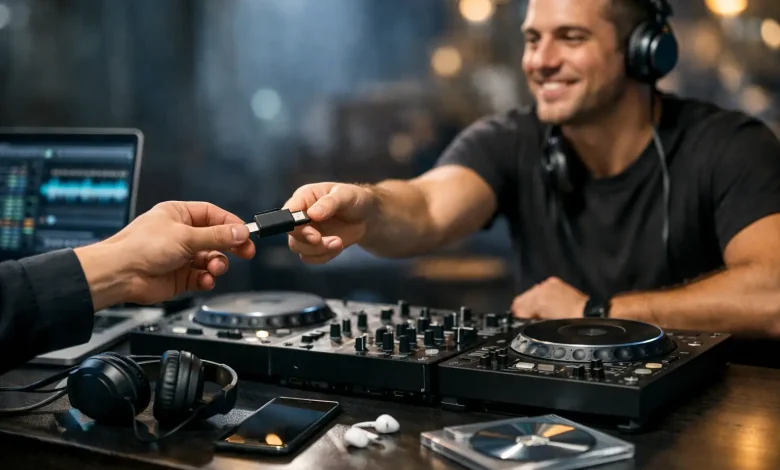
For a higher-risk release, begin with a small group of DJs you know or who come recommended. Use a private, stream-only preview for initial outreach, then send downloadable files to DJs who reply and show real interest. If you are offering the track for set play before release, be direct about the rules: whether they can play it publicly, whether they can post clips, and whether the title is embargoed.
Watermarked audio can discourage leaks, but it can also make a song less playable. It depends on the situation. For a major feature or a heavily protected single, watermarks may be worth the trade-off. For an independent release where early DJ play is the marketing plan, clean files and clear expectations often create more value.
Give DJs a reason to care before release day
Early access alone is not enough. DJs receive unreleased music constantly, so your campaign needs a real purpose. Maybe you are building anticipation for a hometown release show. Maybe you want to test which hook gets the strongest crowd reaction. Maybe you are preparing a music video, radio push, or social campaign and want authentic support to fuel the rollout.
Tell DJs what is coming and how they fit into the plan. If they play the record, support their support. Repost an approved crowd clip, thank them publicly when appropriate, and send them the final assets once the release is live. This is not about buying a shoutout. It is about making the DJ feel like a valued part of the record’s early story.
That relationship can also create useful feedback. Ask a simple question after they have had time to listen: did the intro work, did the room react, and which version was easiest to play? Not every opinion should change your song, but patterns from DJs who understand your audience can sharpen your release strategy.
Follow up without turning into spam
Most DJs will not respond immediately. They may be traveling, preparing for a set, sorting through promos, or simply waiting for the right time to listen. Give the initial pitch several days, then send one concise follow-up.
Your follow-up can be as simple as: “Checking back on the unreleased record I sent last week. The release is set for Friday, and I would love to know if it fits your rotation.” If there is a meaningful update, such as a video date or confirmed event, include it. If there is no response after that, move on respectfully.
Avoid repeated DMs, comments asking them to check messages, or sending the same track through every channel. That behavior can hurt your reputation faster than it helps your stream count. Consistency wins in music promotion, but professionalism is what gets people to answer the next time.
Turn early DJ support into a bigger rollout
The best pre-release DJ campaign does not end when someone says they like the song. Capture the momentum. With permission, collect short testimonials, crowd clips, radio spins, or DJ reposts. These are proof points you can use in your wider rollout across social content, email outreach, and press conversations.
Pair DJ outreach with promotion that reaches fans directly. A strong record needs people searching for it when it drops, not just industry contacts who heard it early. Build anticipation with short-form performance clips, behind-the-scenes footage, a release countdown, and targeted outreach to listeners who already follow your lane. If you need additional promotional reach, a focused campaign through a platform like TuneBlast can help put the release in front of new listeners while your DJ relationships add real-world credibility.
The goal is not to pressure every DJ into playing your record. It is to find the people who hear its potential, make it easy for them to use it, and give their support a place in a bigger campaign. Treat every early listen like the start of a professional relationship, and your next unreleased record will arrive with more momentum than the last.
Ready to Promote Your Next Release?
If you're serious about getting your music in front of real listeners, we can help.