
Release day should not be the finish line. It is the moment your music finally has something to work with: a real link, real reactions, real data, and a real chance to turn attention into fans. This song release week checklist helps independent artists create momentum before the track drops, stay active when it matters most, and avoid the common mistake of disappearing after one post.
The goal is not to be everywhere just for the sake of it. The goal is to give people multiple reasons to hear the record, connect with your story, and come back for more. A strong release week can make a limited budget go further because your content, outreach, and fan engagement are all pulling in the same direction.
Set Up Your Song Release Week Checklist Before Friday
By release week, your distributor should have delivered the song, your artist profiles should be accurate, and your smart link or primary streaming link should be ready. Do not wait until the track is live to discover that your bio has an old photo, your social handles do not match, or your release artwork is hard to read on a phone screen.
Start by deciding what success looks like for this release. It may be 1,000 streams, 100 saves, 30 new email subscribers, stronger local awareness, content you can reuse for a month, or simply converting casual listeners into followers. One song does not need to accomplish every career goal. Pick the metric that fits where you are right now.
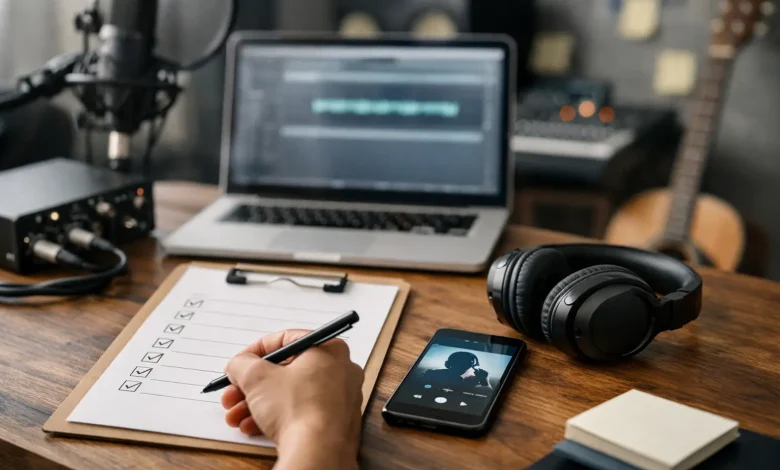
Your pre-release setup should include these essentials:
- A clean artist photo, cover art, and short bio that match across your profiles.
- One clear destination for listeners, whether that is a streaming link, pre-save page, or artist landing page.
- At least five to eight pieces of short-form content cut from the same visual world as the song.
- A contact list of fans, collaborators, producers, local media, DJs, playlist curators, and music pages worth reaching out to.
- A simple posting calendar that tells you what goes out each day instead of forcing you to improvise under pressure.
Consistency matters more than making every asset look like a major-label campaign. If your budget is tight, focus on strong cover art, a sharp hook clip, and a clear message. A compelling 12-second video with the right lyric can outperform an expensive visual that gives viewers no reason to stop scrolling.
Give the Song a Story
Fans do not only press play because a release is new. They press play when they feel curious, included, or emotionally connected. Before you start posting, write one or two sentences that explain the record without sounding like a press release.
Maybe it is the song you wrote after a breakup, the track that changed your confidence in the studio, a summer anthem from your city, or the first release from a larger project. Keep it honest and specific. That story becomes the thread running through your captions, videos, emails, and conversations.
Monday Through Thursday: Build Familiarity, Not Noise
The days before release are for warming up your existing audience. Do not only say, “New song Friday.” Give people a reason to care before the link arrives.
On Monday, post the cover art or a brief announcement with the release date. Add a personal angle: what the song means, where it came from, or why this one needed to come out now. Reply to every meaningful comment. Early engagement signals that there is an actual community behind the release, not just a scheduled post.
On Tuesday, share the strongest preview clip. Lead with the hook, the hardest bar, the beat switch, or the lyric people can repeat. The opening second matters. Skip the long introduction and show the part that earns a replay. Test more than one version if you have them. One might be performance-based, while another uses a lyric on screen or a behind-the-scenes studio moment.
On Wednesday, activate the people closest to the song. Ask your producer, featured artist, video director, friends, and core supporters to share the release when it drops. Make this easy for them by sending the artwork, caption options, and the correct link in one message. Vague requests like “help promote” usually get vague results.
Thursday is the last call. Send an email or text message to fans who have chosen to hear from you. Keep it short, personal, and direct. If you have a release event, livestream, listening session, or video premiere planned, make the timing clear. This is also a smart day to pitch relevant music discovery platforms and arrange targeted promotion. A service such as TuneBlast can help put a release in front of new listeners, but paid visibility works best when your own pages are ready to convert that attention into follows and lasting fan relationships.
Friday: Turn Release Day Into a Conversation
Release day is busy, but your message should stay simple: the song is out, here is why it matters, and here is what you want listeners to do next. Do not bury the call to action under ten hashtags or a paragraph that reads like a resume.
Post early, but do not think one morning post covers the entire day. Your fans are online at different times, and platform reach is unpredictable. Share the main announcement, then follow it with a different angle later: a reaction video, a lyric breakdown, a performance clip, or a screenshot of a fan response.
Spend real time engaging. Thank people who share the record. Repost fan stories. Answer comments with more than emojis when the moment calls for it. If someone says a line hit them, ask which line. If they add your track to a playlist, acknowledge it. Those small interactions turn passive support into loyalty.
Avoid begging for streams. Ask for actions with value behind them. Invite fans to save the song if they want more music in that lane, add it to a late-night playlist, use a particular lyric in a video, or send it to someone who needs to hear it. Different listeners respond to different asks.
Watch the Signals That Actually Help
Numbers can be motivating, but release-day numbers are not a full verdict on the song. Pay attention to signals you can use: saves, shares, comments, profile visits, follower growth, video completion, and which content format generates the most clicks. A track with modest first-day streams but high saves may have more long-term potential than a song that gets quick plays and no return listeners.
Keep a note on what happens. Which clip earned comments? What lyric did fans quote? Did your audience react better to the raw studio footage or polished visuals? That information should shape next week’s content and your next release, not sit forgotten in analytics.
Saturday and Sunday: Keep the Record Moving
The weekend is where many independent campaigns lose steam. Artists post the cover art Friday, celebrate for a few hours, then move on. Meanwhile, new listeners who saw your content may need a second or third touch before they decide to press play.
On Saturday, share proof of life around the release. This could be fan feedback, a quick live performance, a car test of the song, a dance clip, or a personal video explaining a lyric. Social proof is powerful when it feels real. You do not need to pretend the song is taking over the world. Show that actual people are connecting with it.
On Sunday, make a piece of content for people who missed release day. Frame it differently than Friday’s announcement. Try “If you have been through this, this song is for you,” or break down the story behind the record. This is also a good time to thank supporters and point toward what is next, whether that is a video, another single, a show, or a project announcement.
Keep Promoting After Release Week
A release week is a launchpad, not a seven-day expiration date. Your strongest content might not appear until week two or three, when you have learned what listeners respond to. Keep creating around the song from different angles: acoustic versions, live takes, lyric videos, producer breakdowns, fan reactions, alternate verses, and short stories behind specific lines.
There is a trade-off here. Posting the same clip repeatedly can tire out your core fans, but abandoning a song too fast leaves its potential unexplored. Reuse the hook, not the exact execution. Change the setting, caption, visual, or emotional entry point so the record stays familiar while the content stays fresh.
Your next post is not just promotion. It is another chance for the right listener to find a song that could become part of their life. Keep showing up, keep learning from the response, and give your music enough runway to build the momentum your career deserves.
Ready to Promote Your Next Release?
If you're serious about getting your music in front of real listeners, we can help.