
A stream is nice. A follow is helpful. But if the algorithm stops showing your posts tomorrow, how many fans can you still reach on demand?
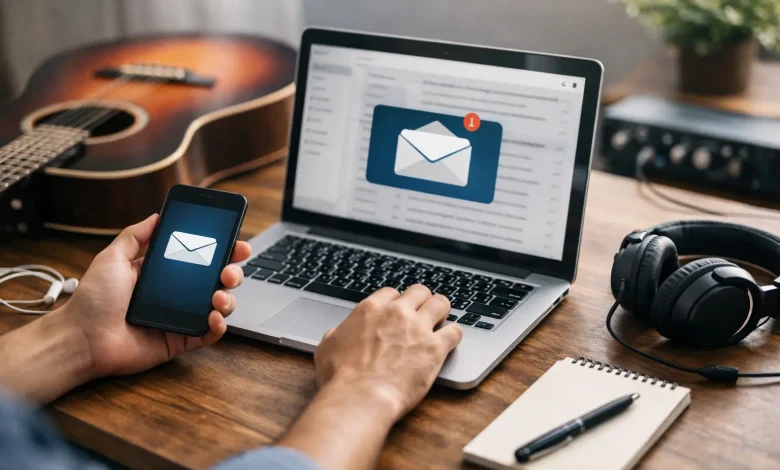
That is why email marketing for musicians still matters so much. Social media can create attention fast, but email is what helps you keep that attention, build a direct line to fans, and create momentum you actually control. If you are serious about growing as an independent artist, your email list is not some side project. It is part of your foundation.
Why email marketing for musicians matters more than most artists think
Most artists spend the bulk of their energy chasing visibility. That makes sense. You need people to discover the music before anything else can happen. But discovery and retention are two different jobs.
Email handles the second job better than almost any other channel. It gives you a direct path to people who already raised their hand and said, yes, I want to hear from you. That matters when you drop a single, announce a show, push merch, tease a video, or ask fans to pre-save a release.
The biggest advantage is ownership. Your Instagram audience belongs to Instagram. Your TikTok reach belongs to TikTok. Your email list belongs to you. That does not mean every email will get perfect engagement. It does mean you are not relying entirely on a platform’s mood swings to reach the people who care.
There is also a trust factor. Getting someone into their inbox is different from getting a casual scroll-by on social. An email feels more intentional. Done right, it can make fans feel closer to your process, not just exposed to your content.
What a musician email list should actually do
A lot of artists hear “build your email list” and picture a giant database they never use. That is where things fall apart.
A good list is not just for collecting addresses. It should help you move fans from awareness to action. Sometimes that action is streaming a record. Sometimes it is buying a ticket. Sometimes it is replying to a message, joining a text list, or showing up early when you launch a project.
If you are an emerging artist, you do not need a massive list for email to be valuable. A list of 300 real fans who open your messages can outperform 10,000 passive followers who barely see your posts. Quality beats vanity every time.
That also means your list should be built around the right people. Friends and family can help early on, but the goal is to attract listeners who care about the music itself. You want subscribers who are likely to stream, share, buy, and stick around.
How to build an email list without feeling spammy
The best list-building strategy is simple: give people a clear reason to join.
That reason does not have to be complicated. Early access to new music works. Exclusive demos can work. A private behind-the-scenes update from the studio can work. Discounted merch codes, unreleased visuals, ticket presale access, or fan-only announcements can work too. The key is making the benefit feel real, not generic.
Where most artists miss the mark is hiding the signup opportunity. If fans have to dig for it, most will not bother. Put your email signup where attention already lives. That could mean your link-in-bio page, your website, your YouTube descriptions, your pinned social posts, your live show setup, or your direct messages after people engage with your release.
Live shows are especially underrated here. If someone just watched you perform and liked what they heard, that is one of the best moments to invite them deeper into your world. A simple signup prompt at the merch table or a quick on-stage mention can do more than another random social post.
You should also set expectations. Tell people what they are signing up for. If they know they will get release updates, exclusive content, and occasional show announcements, they are less likely to ignore your emails or unsubscribe later.
What to send in your music marketing emails
The fastest way to kill your list is to only show up when you want something.
If every email says stream this, buy this, vote for this, click this, fans start to tune out. Strong email marketing for musicians mixes promotion with relationship-building. You are not just broadcasting announcements. You are building familiarity over time.
Release emails matter, of course. So do tour announcements, merch drops, and major milestones. But the emails between those moments are what give the promotional emails more power. That could be a short note about what inspired a record, a voice memo from the studio, a story behind a lyric, a snapshot of your creative process, or a personal check-in tied to what is next.
This is where a lot of independent artists have an advantage over bigger acts. You can feel more personal. More direct. More human. You do not need polished corporate copy. You need clarity, personality, and a reason for fans to care.
Short usually wins. Fans are not looking for a novel in their inbox. They want something easy to scan, emotionally real, and worth opening. A strong subject line, one main message, and one clear action is often enough.
Timing matters more than frequency
Artists often ask how often they should email their list. The honest answer is that it depends on your release pace, audience behavior, and how much you actually have to say.
If you email too rarely, fans forget why they joined. If you email too often without enough value, they tune out. For most independent artists, consistency beats intensity. A steady rhythm is better than disappearing for three months and then sending five emails in a week because your single is dropping Friday.
A practical approach is to email around key campaign moments while keeping light contact in between. For example, you might send one email when teasing a release, one on launch day, one with a behind-the-scenes angle a few days later, and one follow-up tied to a video, performance clip, or fan response. Between campaigns, occasional updates help keep the list warm.
Pay attention to what earns opens and clicks. Some audiences respond well to polished launch messaging. Others react better to casual artist notes that feel like a direct text. You do not need to guess forever. Your results will tell you.
The biggest mistakes in email marketing for musicians
The first mistake is treating every fan the same. Someone who signed up after seeing you live may need a different message than someone who joined for a free download months ago. As your list grows, segmentation becomes more useful. Even basic grouping by city, engagement level, or fan source can improve results.
The second mistake is weak calls to action. If your email asks fans to do five different things, many will do none of them. Pick the main action. Make it obvious.
The third mistake is sounding like a brand instead of an artist. Clean presentation matters, but personality matters more. Your audience is not joining your list for generic marketing copy. They want your voice.
Another common issue is waiting too long to start. A lot of artists think they need more fans first. That logic works against you. Start early, even if your list is small. A list built gradually during your growth phase becomes much more valuable by the time your releases start gaining traction.
And yes, bad list hygiene can hurt too. If people never open your emails, keeping them forever does not help. Removing inactive subscribers from time to time can improve engagement and give you a clearer picture of what is actually working.
How email fits into your bigger promo strategy
Email should not replace social media, content marketing, or paid promotion. It should strengthen them.
Think of it this way: social helps new people find you. Email helps the right people stay with you. Paid promotion can bring attention to a release, while email helps convert that attention into repeat support. Editorial coverage, music discovery platforms, and promo campaigns can create a spike, but your list helps you keep some of that energy after the spike fades.
That is where a growth-minded strategy starts to click. You are not just chasing one-off exposure. You are building a system that keeps feeding your career. If a promotion campaign brings in new listeners, your job is to give those listeners a next step. Email is one of the strongest next steps you can offer.
For artists trying to build real momentum, this is the bigger picture. Every release should not start from zero. Your email list helps make sure it does not.
A simple way to get started this week
If your list does not exist yet, start with one signup form, one fan incentive, and one welcome email. Keep it clean. Keep it easy. Then talk about it consistently anywhere fans already pay attention.
If you already have a list but barely use it, send one honest update this week. Not a perfect one. Just a real one. Let fans know what you are working on, what is coming next, and how they can support it.
If you want stronger release results, better fan retention, and more control over your audience, email deserves a real place in your strategy. Platforms will keep changing. Trends will keep shifting. A direct fan connection will keep paying off.
Build that connection now, while the stakes are still manageable, and your next wave of growth will have something solid behind it.
Ready to Promote Your Next Release?
If you're serious about getting your music in front of real listeners, we can help.